Maintaining your HVAC system year-round is crucial for ensuring comfort, efficiency, and longevity. Whether you're heating your home during a chilly winter or cooling it down on a hot summer day, the effectiveness of your HVAC system directly impacts your living conditions. This article delves into The Best Practices for Maintaining Your HVAC System Year-Round, providing you with actionable insights to keep your system running smoothly.
Understanding Your HVAC System
What is an HVAC System?
An HVAC system encompasses heating, ventilation, and air conditioning. It works together to regulate your home's temperature and air quality. Understanding its components can help you maintain it effectively.
Components of an HVAC System
Heating Unit: Primarily a furnace or boiler. Cooling Unit: Typically a central air conditioning unit. Ductwork: Channels that distribute conditioned air throughout your home. Thermostat: Controls the temperature settings. Air Filters: Clean the air circulating through your home.The Importance of Regular Maintenance
Why Should You Maintain Your HVAC System?
Regular maintenance of your HVAC system enhances its efficiency, prolongs its lifespan, and can help avoid costly repairs down the line. Ignoring maintenance can lead to breakdowns, higher energy bills, and poor indoor air quality.
Signs That Your HVAC Needs Attention
- Unusual noises Increased energy bills Inconsistent temperatures Poor air quality
The Best Practices for Maintaining Your HVAC System Year-Round
Maintaining your HVAC system involves several proactive steps you can take throughout the year to ensure optimal performance. Let’s explore these practices in detail.
1. Change Air Filters Regularly
Why are Air Filters Important?
Air filters trap dust, pollen, and other debris that can hinder airflow and reduce efficiency.
Recommended Schedule
- Change filters every 1-3 months based on usage. Consider using high-efficiency particulate air (HEPA) filters for better air quality.
2. Schedule Seasonal Inspections
Benefits of Professional Inspections
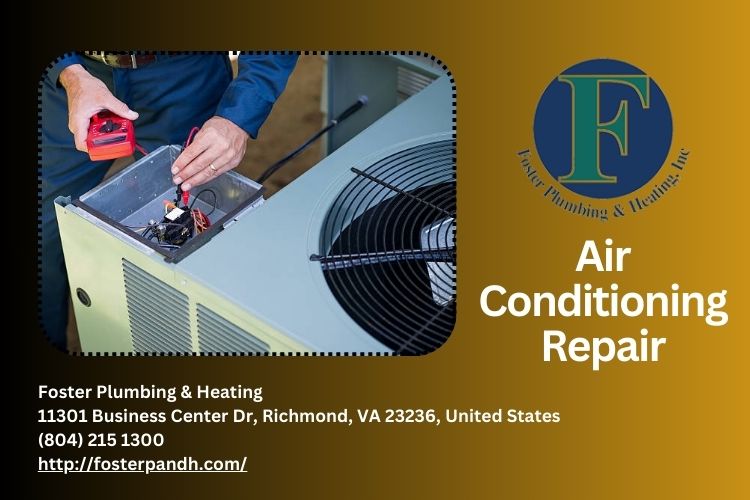
Having professionals check your system helps identify potential issues early on.
Recommended Timeline
- Schedule inspections at least twice a year: before summer and winter seasons. Consult Foster Plumbing & Heating for thorough checks.
3. Clean the Outdoor Unit
Why Cleaning Matters
Debris accumulation around your outdoor unit can obstruct airflow and reduce HVAC Repair efficiency.
Cleaning Steps
Turn off power to the unit. Clear away leaves, dirt, and other debris. Gently rinse with water if necessary.4. Check Ductwork Integrity
Importance of Duct Maintenance
Leaky ducts lead to wasted energy and uneven heating or cooling throughout the home.
Inspection Tips
- Look for disconnected ducts or visible gaps. Consider professional duct sealing services if leaks are found.
5. Test Thermostat Functionality
How Does a Thermostat Affect Performance?
A malfunctioning thermostat can lead to improper temperature regulation.
Testing Steps
Set the thermostat a few degrees above or below room temperature. Ensure that the system responds accordingly.6. Keep Vents Unblocked
Why Vent Blockage is an Issue
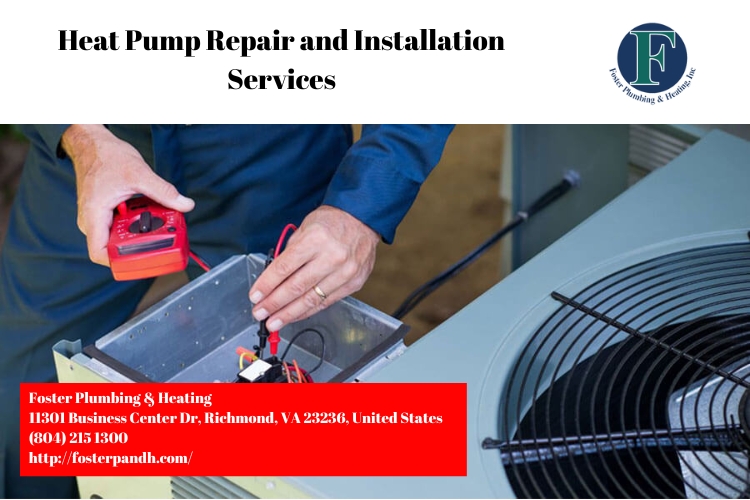
Blocked vents can restrict airflow and force your HVAC system to work harder than necessary.
Solutions
- Ensure furniture or drapes do not cover vents. Regularly check and clean vents as needed.
7. Monitor Energy Consumption
Why Monitoring Helps
Keeping track of energy usage allows you to identify unusual spikes that may indicate inefficiencies in your HVAC system.
Tools for Monitoring
Consider using smart thermostats that provide insights into energy consumption patterns.
HVAC Repair Services: When to Call a Professional?
While regular maintenance can prevent many issues, sometimes repairs are unavoidable.
Common Issues Requiring Professional Help
Unusual noises Frequent cycling on/off Inconsistent temperatures High humidity levels indoors Water leaks from the unitIf you encounter any of these problems, searching "HVAC repair near me" will lead you to local professionals who can assist you promptly with their expertise in troubleshooting common issues related to heating and cooling systems.
Energy Efficiency Tips for Your HVAC System
Maintaining energy efficiency is vital not just for saving money but also for environmental reasons.
Utilize Programmable Thermostats
Programmable thermostats allow you to set specific temperatures based on when you're home or away, reducing unnecessary energy use when no one is around.
Seal Windows and Doors Properly
Ensure that all windows and doors are sealed correctly to prevent heat loss in winter or cool air loss in summer—this will alleviate pressure on your HVAC system while enhancing comfort levels inside your home.
Invest in Insulation Upgrades
Proper insulation minimizes heat transfer between indoors and outdoors; upgrading insulation is one way of enhancing overall energy efficiency in homes with older insulation materials present within walls or attics—which may be deteriorating over time due to age-related factors like moisture buildup over time!
The Role of Indoor Air Quality (IAQ)
Maintaining good IAQ should be an essential part of overall home comfort – especially considering how much time we spend indoors!
Importance of Good IAQ
Poor indoor air quality can lead to health problems such as allergies or respiratory issues; therefore improving its state has become increasingly important over recent years as more people recognize this fact about their homes' environment!
Tips To Improve IAQ
1) Regularly replace filters 2) Utilize exhaust fans appropriately 3) Use natural cleaning products 4) Ensure proper ventilation throughout living spaces!

FAQ Section: Common Questions About HVAC Maintenance
Q1: How often should I change my air filters?
A: It’s recommended to change them every 1-3 months depending on usage levels!
Q2: What signs indicate I need professional help?
A: Look out for unusual noises & inconsistent temperatures!
Q3: How do I know if my ducts are leaking?
A: Inspect visible ductwork; consider having professionals conduct further evaluations if leaks are suspected!
Q4: Can I clean my outdoor unit myself?
A: Yes—just remember safety first by turning off power before cleaning!
Q5: Are programmable thermostats worth it?
A: Absolutely—they save energy & enhance convenience by automatically adjusting settings based upon scheduled preferences!
Q6: What’s included in seasonal inspections?
A: Technicians typically evaluate components like coils/fans/filters while also checking refrigerant levels among other key factors related specifically tailored towards optimizing performance standards across systems used!
Conclusion
In conclusion, maintaining your HVAC system year-round requires dedication but pays off significantly with improved efficiency & comfort levels achieved throughout any season! Following best practices outlined here—including regular filter changes/seal checks/professional inspections—will ensure long-term performance while reducing potential costs associated with unexpected repairs down the road!
For expert assistance regarding installation/repair services tailored specifically towards optimizing existing setups within residential properties located nearby Richmond area communities contact us today:
Contact Us
" width="560" height="315" frameborder="0" allowfullscreen>
Foster Plumbing & Heating
Address: 11301 Business Center Dr, Richmond, VA 23236, United States
Phone: (804) 794-0912
By adhering closely towards implementing practical guidelines shared here regularly homeowners stand poised towards enjoying lasting results achieved through effective upkeep processes integrated seamlessly into daily routines making life infinitely more comfortable whether outdoors remain hot/cold outside regardless!